
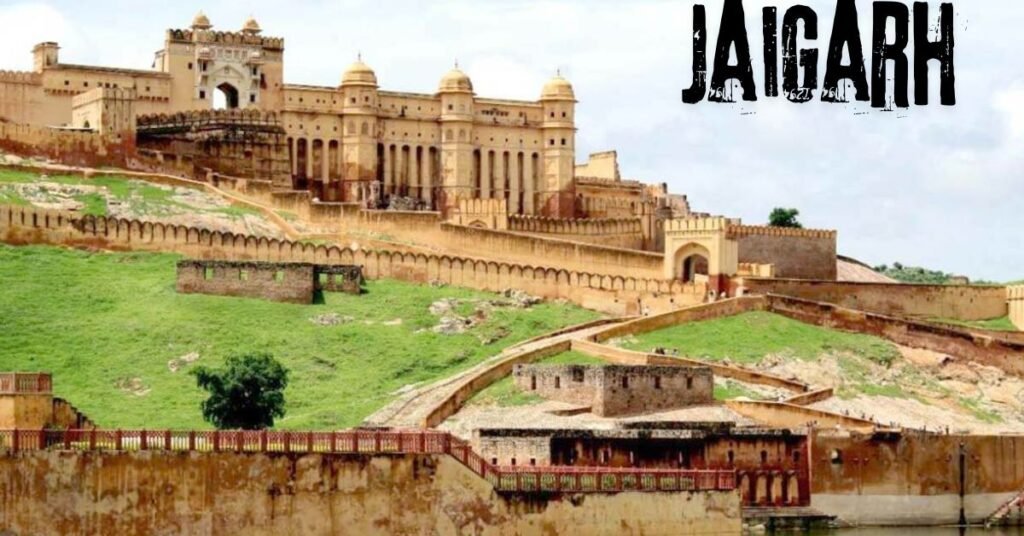
Jaigarh Fort, nestled atop the Aravalli Hills in Jaipur, Rajasthan, stands as a majestic symbol of Rajput military architecture, history, and royal power. Often overshadowed by the nearby Amber Fort, Jaigarh Fort boasts remarkable stories of valor, innovation, and resilience, housing the world’s largest cannon on wheels and offering panoramic views of Jaipur’s landscape. This guide explores the fort’s famous features, ticket prices, best visiting times, ownership history, and architectural marvels.
Historical Significance of Jaigarh Fort
Jaigarh Fort, meaning “Fort of Victory” (Jai = Victory, Garh = Fort), was constructed in 1726 by Maharaja Sawai Jai Singh II to serve as a defense stronghold guarding the nearby Amber Fort and the royal palace complex. Built primarily as a military bastion, this fort showcases impressive Rajput-Mughal architectural styles, with thick red sandstone walls stretching about 3 kilometers in length and 1 kilometer in width.
The fort’s strategic location atop Cheel ka Teela (Hill of Eagles) allowed it to oversee the Amber Fort, Maota Lake, and the vast surrounding landscape, serving as a safeguard against invasions. The Jaivana Cannon, manufactured within the fort’s foundries, was once the world’s largest cannon on wheels and stands as a testament to the fort’s martial importance.
The fort is also linked to numerous historical events, including the Mughal-era showdown during the struggle for succession where Aurangzeb defeated and executed his brother Dara Shikoh near it. Today, Jaigarh Fort remains one of the strongest forts never conquered in battle, revered for its robust design and legendary treasures believed to be hidden beneath its walls.
Architectural Highlights
Jaigarh Fort is a marvel of military architecture displaying:
- Cyclopean fortified walls: The fort’s massive red sandstone walls rise rugged and imposing, designed to repel invaders and withstand prolonged sieges.
- Jaivana Cannon: This colossal 20-foot cannon weighing 50 tons can reportedly fire 50 kg cannonballs over several kilometers, showcasing advanced metallurgy and engineering.
- Palace complex: Including Laxmi Vilas, Lalit Mandir, Aram Mandir, and Vilas Mandir—residences and halls for the Maharajas and their court.
- Temples within the fort: Historic Ram Harihar Temple (10th century) and Kal Bhairav Temple (12th century) add spiritual significance.
- Water storage tanks: Ingeniously designed to collect and store rainwater essential during sieges.
- Secret underground passages: Linking Jaigarh to Amber Fort, designed for safe passage during conflicts.
- Museums and Armory: Displaying royal artifacts, weapons, armor, and the armory used by the Rajput warriors.
Visitor Information: Tickets, Timings, and Accessibility
Jaigarh Fort welcomes tourists with well-maintained pathways, guided tours, and stunning vantage points.
Jaigarh Fort Ticket Prices and Timings (2025)
| Category | Ticket Price (INR) | Timing | Notes |
|---|---|---|---|
| Indian Adults | 60 | 9:00 AM – 5:00 PM | Last entry 4:30 PM |
| Foreign Nationals | 300 | Includes access to museum | |
| Children (Below 15) | Free | Must show valid ID | |
| Photography Fee | Additional charge (optional) | For professional cameras |
Best Time to Visit Jaigarh Fort
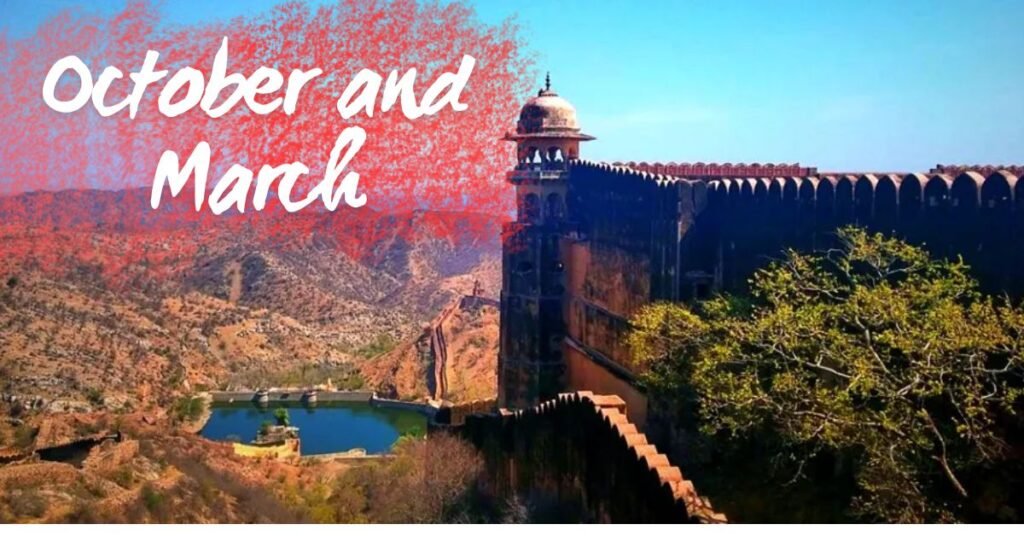
The ideal months to visit Jaigarh Fort are between October and March, when Jaipur enjoys mild and pleasant weather, perfect for exploring open-air forts and hilltops comfortably. Summers (April to June) can be scorching with temperatures soaring above 40°C, while the monsoon season (July to September) may cause slippery paths and reduced visibility due to rains.
Jaipur Seasonal Weather Overview (Ideal for Jaigarh Fort Visits)
| Season | Average Temperature (°C) | Rainfall | Visitor Experience |
|---|---|---|---|
| Winter (Oct-Mar) | 10 – 25 | Low | Cool, pleasant; ideal for touring |
| Summer (Apr-Jun) | 30 – 45 | Low | Hot, less comfortable |
| Monsoon (Jul-Sep) | 25 – 35 | High | Rainy, slippery; less ideal |
Ownership and Management of Jaigarh Fort
Originally built and owned by Maharaja Sawai Jai Singh II of the Kachwaha Rajput dynasty, Jaigarh Fort was part of the royal defense system safeguarding Jaipur and its royal treasures. Today, the fort is owned and maintained by the Government of Rajasthan, which has preserved it as a prime heritage site open to tourists and historians alike.
Summary of Jaigarh Fort Facts
| Aspect | Details |
|---|---|
| Location | Aravalli Hills, Jaipur, Rajasthan |
| Built by | Maharaja Sawai Jai Singh II |
| Year of Construction | 1726 |
| Fort Size | 3 km length, 1 km width |
| Famous For | Jaivana Cannon, strategic military defense |
| Architectural Style | Indo-Persian with Rajput fortifications |
| Ticket Price (Indian) | ₹60 |
| Ticket Price (Foreign) | ₹300 |
| Best Time to Visit | October to March |
| Current Owner | Government of Rajasthan |
Exploring Jaigarh Fort: What to Expect
Visitors to Jaigarh Fort can explore vast courtyards, walk along colossal walls, visit ancient temples, and marvel at the engineering feat of the Jaivana Cannon. The fort offers panoramic views of Jaipur and Amer Fort, making it a favored location for photography, cultural tours, and heritage enthusiasts.
Guided tours provide historical context, enriching the visitor experience by explaining the fort’s defense strategies, royal lifestyles, and architectural masterpieces.
Conclusion
Jaigarh Fort Jaipur is a monumental testament to Rajasthan’s rich history of fortification, engineering, and royal grandeur. From the world’s largest cannon to hidden tunnels and exquisite palaces, the fort offers a multidimensional glimpse into India’s regal past. Carefully preserved and accessible, it remains a top heritage destination, especially appealing when visited during Jaipur’s cooler months. Whether you’re a history buff, architecture enthusiast, or traveler seeking iconic Indian forts, Jaigarh Fort promises an unforgettable experience.
Follow Us Now : Facebook, Instagram
You May Also Like : Taj Mahal Tour by Gatimaan Express, Best travel Agency in Agra, Taj Mahal Sunrise Tour from Delhi by Car


