
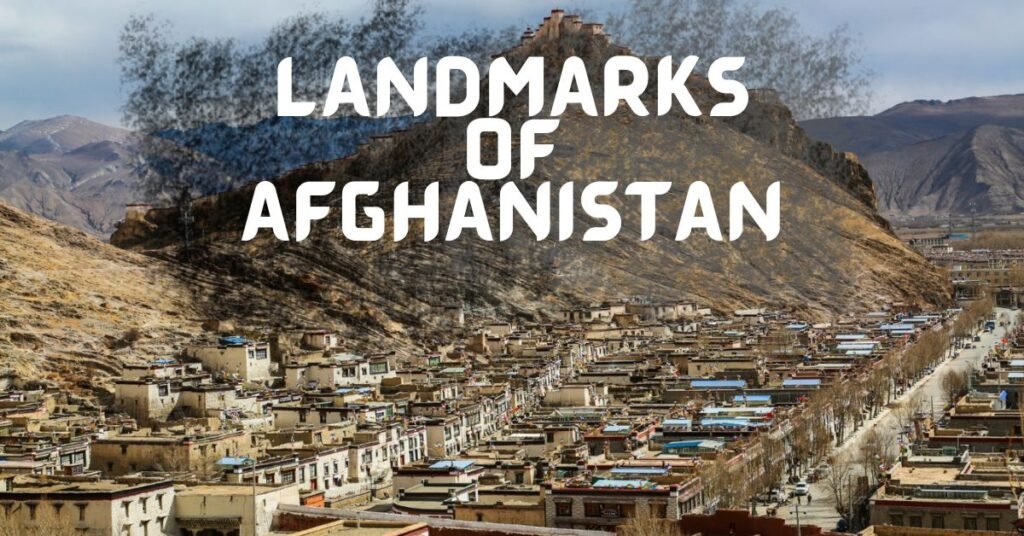
Afghanistan is a country rich in history and natural beauty, with landmarks that span centuries and represent a confluence of cultures from Central Asia, South Asia, and the Middle East. This detailed article explores the important landmarks, top 10 historical places, and natural landmarks in Afghanistan, providing updated insights, detailed descriptions, and practical travel information. The content is structured for easy readability and enhanced SEO optimization to serve travelers, researchers, and heritage enthusiasts.
Overview of Afghanistan’s Heritage
Afghanistan occupies a strategic crossroads on the ancient Silk Road and has seen the rise and fall of multiple empires—from the Achaemenid Persians and Greeks under Alexander the Great to the Buddhist Gandhara civilization, Muslim Ghaznavids, Timurids, and Mughals. This diverse history is reflected in the country’s monumental architecture, archaeological sites, and natural landscapes.
Despite decades of conflict, Afghanistan retains UNESCO World Heritage Sites and other landmarks of outstanding historical and natural importance, attracting scholars and adventurous travelers willing to explore its rich culture and scenic vistas.
Top 10 Historical Places in Afghanistan
1. Minaret of Jam (Ghor Province)
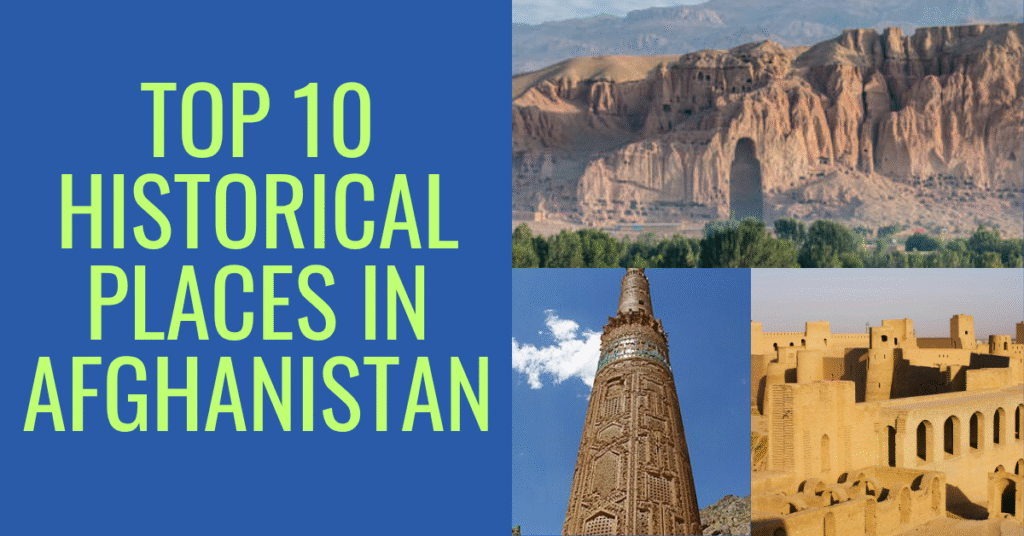
The Minaret of Jam is a 65-meter tall 12th-century tower constructed under the Ghurid dynasty. It is renowned for its exquisite brickwork, Kufic inscriptions, and turquoise tile decoration. The minaret is historically significant as one of the few remaining structures of the Ghurid summer capital, Firozkoh. This UNESCO World Heritage Site, however, is listed as endangered due to its remote location and exposure to natural and human threats.
2. Cultural Landscape and Archaeological Remains of the Bamiyan Valley
Known for the immense standing Buddha statues carved into cliffs (destroyed in 2001 but still culturally important), Bamiyan Valley was a vibrant Buddhist center from the 1st to the 13th centuries. The site is a repository of Gandharan art, showcasing an artistic melding of Indian, Hellenistic, Roman, and Sasanian traditions. The area also includes cave monasteries and fortification ruins.
3. Herat Citadel (Herat)
Dating back over 2,300 years and linked to Alexander the Great, the Herat Citadel is a formidable fortress that has been restored multiple times. Herat city is famous for Persian-inspired mosaics and Islamic architecture, with the citadel at its historical heart.
4. Ghazni Minarets (Ghazni)
Standing from the 12th-century Ghaznavid dynasty, the Ghazni Minarets are stunning Islamic monuments adorned intricately with inscriptions and geometric motifs, showcasing the architectural brilliance of the era.
5. Bala Hissar Fortress (Kabul)
An ancient royal citadel overlooking Kabul, Bala Hissar has roots dating to at least the 5th century and has served as a royal fortress and strategic military base over many centuries.
6. Darul Aman Palace (Kabul)
Constructed in the 1920s during King Amanullah Khan’s reign to symbolize modernization, the palace combines neoclassical European influences. Efforts to restore the war-damaged structure are ongoing, representing Afghanistan’s commitment to preserving its modern historical heritage.
7. Gardens of Babur (Kabul)
These terraced Mughal gardens were established by Emperor Babur in the early 16th century. Now a public park, the Gardens of Babur blend Persian and Islamic horticulture traditions, representing tranquility amid the bustling capital.
8. Friday Mosque (Herat)
Known for its vivid turquoise mosaics and elaborate ornamentation, the mosque is an architectural jewel of the Timurid era and a center of spiritual and cultural heritage.
9. Old City of Balkh
One of the world’s oldest cities, Balkh has archaeological remains from Zoroastrian, Buddhist, and Islamic eras. Once a major center on the Silk Road, Balkh houses the ruins of temples, monasteries, and ancient mosques.
10. Sultan Mahmud’s Tomb (Ghazni)
This mausoleum honors Sultan Mahmud of Ghazni, founder of the Ghaznavid dynasty, and is noted for its Islamic architectural style and historical importance.
Important Landmarks of Afghanistan: Beyond the Top 10
Afghanistan’s cultural heritage extends far beyond the most famous sites, with an array of caravanserais, mausoleums, shrines, and cities that form a comprehensive picture of its historical tapestry.
Important Cultural Landmarks of Afghanistan
| Landmark | Location | Description |
|---|---|---|
| Minaret of Jam | Ghor Province | Tall brick minaret with Islamic inscriptions |
| Bamiyan Buddha Sites | Bamiyan Valley | Remains of colossal Buddha statues and caves |
| Herat Citadel | Herat | Ancient fortress with Persian aesthetics |
| Ghazni Minarets | Ghazni | Ghaznavid era minarets |
| Bala Hissar Fortress | Kabul | Historical royal citadel |
| Darul Aman Palace | Kabul | Early 20th-century neoclassical palace |
| Gardens of Babur | Kabul | Mughal gardens and emperor’s tomb |
| Friday Mosque | Herat | Timurid Islamic architecture |
| Old City of Balkh | Balkh | Archaeological remains from multiple eras |
| Sultan Mahmud’s Tomb | Ghazni | Tomb of Ghaznavid ruler |
Natural Landmarks in Afghanistan: Nature’s Majesty
Afghanistan’s diverse topography includes fertile valleys, towering mountains, pristine lakes, and rich biodiversity sites. These natural landmarks are integral to Afghanistan’s heritage and provide opportunities for eco-tourism and cultural exploration.
Band-e Amir National Park (Bamyan Province)
Afghanistan’s first national park is famous for its series of deep-blue lakes separated by natural travertine dams. It offers exceptional natural beauty, a unique ecosystem, and is a haven for migratory birds and native wildlife.
Panjshir Valley
Known for its lush greenery, the Panjshir Valley has both cultural and natural significance. It offers trekking paths, breathtaking scenery, and is symbolically important as a historic center of resistance.
Hindu Kush Mountain Range
Spanning the length of Afghanistan, the Hindu Kush offers alpine landscapes, glacial peaks, and is a natural barrier historically influencing migration and trade.
Amu Darya River
A major Central Asian river bordering northern Afghanistan, Amu Darya has been crucial for agriculture, human settlement, and commerce throughout history.
Band-e Panir and Band-e Alam Lakes
Part of the Band-e Amir series, these are lesser-known but equally stunning natural water bodies surrounded by mountainous terrain.
Overview of Afghanistan’s Top Natural Landmarks
| Natural Landmark | Location | Highlights |
|---|---|---|
| Band-e Amir National Park | Bamyan Province | Crystal-clear lakes, travertine dams |
| Panjshir Valley | Panjshir Province | Scenic valley, hiking, culture |
| Hindu Kush Mountains | Multiple Provinces | Alpine peaks, major mountain range |
| Amu Darya River | Northern Afghanistan | Vital river, agriculture, wildlife |
| Band-e Panir & Band-e Alam | Bamyan Province | Lakes with rich flora and fauna |
Why Visit Afghanistan’s Landmarks?
Afghanistan’s landmarks offer unparalleled opportunities to connect with human history, architectural brilliance, and natural beauty. Exploring these sites provides:
- Historical understanding: Insight into the evolution of religion, art, and empire spanning millennia.
- Cultural appreciation: Exposure to Afghan traditions, crafts, and storytelling.
- Adventure tourism: Trekking, nature walks, and photo opportunities in pristine environments.
- Support for preservation: Tourism indirectly funds conservation and community development.
Practical Travel Tips for Visiting Afghanistan’s Landmarks
- Safety First: Travel with licensed guides familiar with local terrain and security developments.
- Respect Local Customs: Dress modestly and understand cultural sensitivities.
- Prepare for Limited Infrastructure: Many remote sites have minimal amenities.
- Best Visiting Seasons: Spring (March-May) and autumn (September-November) for moderate weather.
- Permits and Permissions: Some areas require official permissions; consult government advisories.
Practical Guide for Visiting Afghanistan Landmarks
| Tip | Description |
|---|---|
| Travel with a Guide | Ensures safety and local knowledge |
| Dress Modestly | Adheres to cultural norms |
| Seasonal Timing | Spring and autumn recommended |
| Prepare Essentials | Bring water, snacks, and sun protection |
| Check Permissions | Obtain permits for restricted or protected areas |
Conclusion
Afghanistan’s rich cultural and natural heritage makes it a compelling destination for history enthusiasts, adventure seekers, and cultural travelers. Despite challenges, the preservation of its landmarks encourages both scholarly research and new tourism development. The iconic Minaret of Jam, the historic Bamiyan Valley, the majestic Herat Citadel, and stunning natural sites like Band-e Amir National Park collectively compose a vivid tapestry of Afghanistan’s profound legacy.
Visiting Afghanistan’s landmarks offers a unique window into civilization’s crossroads and breathtaking landscapes that have fascinated travelers and academics for centuries. Supporting responsible tourism is crucial for sustaining and revitalizing these irreplaceable treasures.
Follow Us Now : Facebook, Instagram
You May Also Like : Taj Mahal Tour by Gatimaan Express, Best travel Agency in Agra, Taj Mahal Sunrise Tour from Delhi by Car


