
Introduction
A journey to the Ajanta and Ellora Caves is a journey into ancient India’s soul—where artistry, faith, and visionary engineering merged in stone. These UNESCO World Heritage Sites near Aurangabad, Maharashtra, regularly awe visitors with spectacular artistry, extraordinary temples, vibrant murals, and millennia-old stories. This comprehensive guide offers complete history, practical travel information, schedules, entry fees, and essential tips for the 21st-century traveler.
The History of Ajanta & Ellora Caves
Ajanta Caves: Buddhist Wonderland in Stone
Ajanta began during the Satavahana dynasty (2nd century BCE to 1st century CE), with five simple caves (numbers 9, 10, 12, 13, and 15A) serving as Buddhist prayer halls and monastic retreats (chaitya-griha and vihara). The vibrant murals depicted Jataka tales—stories of Buddha’s past lives and teachings.
After a long pause, the caves flourished again in the Vakataka era (5th–6th century CE) under King Harishena, when exquisitely detailed murals and sculpted images were crafted by Buddhist monks. These served as rain retreats, meditation sanctuaries, and classrooms for learning Buddhist principles. The decline of Buddhism and outside invasions led to abandonment; for centuries the caves were lost to the jungle until rediscovered in 1819.
Ellora Caves: Rock-Cut Testimony of Religious Harmony
Ellora’s chronology embraces three major periods: Hindu beginnings (~550–600 CE, attributed to Kalachuri dynasty), followed by a burst of Buddhist caves (~600–730 CE, under Chalukyas), and enriched by later Hindu and Jain caves (up to 950 CE, Rashtrakuta and Yadava dynasties). These 34 caves—12 Buddhist, 17 Hindu, and 5 Jain—celebrate centuries-old co-existence.
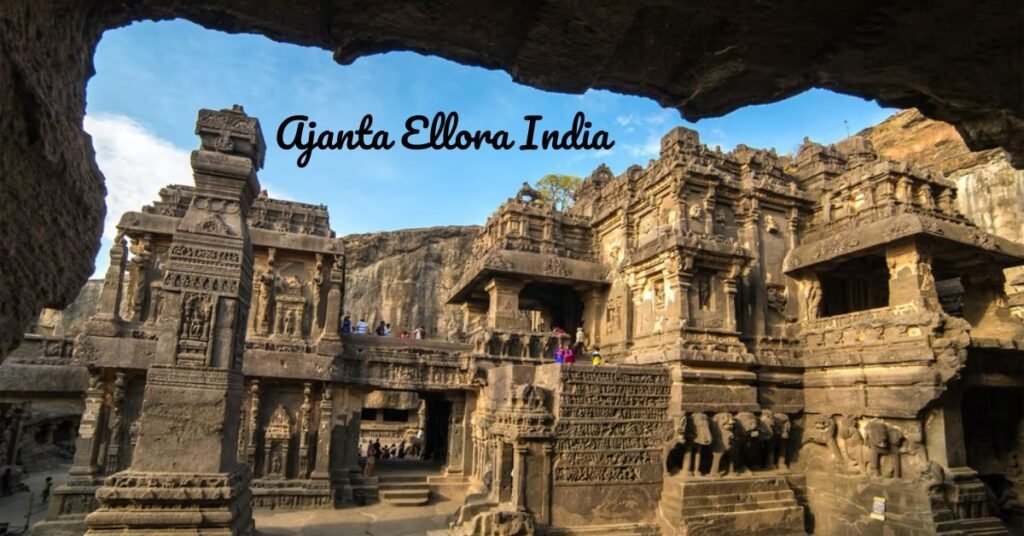
The star attraction: Kailasa Temple (Cave 16), an 8th-century monolithic marvel dedicated to Lord Shiva, carved top-down from a single basalt cliff—one of the world’s largest rock-cut temples. The Buddhist and Jain caves feature detailed iconography and sculptural artistry reflecting a diverse and sophisticated spiritual landscape.
Historical Timeline of Ajanta & Ellora Caves
| Cave Complex | Key Dynasties | Construction Era | Religious Affiliation | Highlights |
|---|---|---|---|---|
| Ajanta | Satavahana, Vakataka | 2nd BCE–6th CE | Buddhist | Mural paintings, Jataka |
| Ellora | Kalachuri, Chalukya, Rashtrakuta, Yadava | 6th–10th CE | Hindu, Buddhist, Jain | Kailasa Temple, Jain caves |
Artistic Marvels: Architecture and Decoration
Ajanta’s horseshoe-shaped ravine houses both austere Hinayana caves (simple stupas and living cells) and later Mahayana caves endowed with vibrant murals and sculpted figures. These murals use natural pigments and showcase scenes from Buddha’s life, ancient royal courts, music, and daily life—considered masterpieces of ancient Indian art.
Ellora, by contrast, reveals an astonishing range: from multi-storied Buddhist viharas to the dramatic Kailasa Temple and delicate Jain shrines with lotus-pillar halls. Lavish reliefs depict mythologies, gods, celestial beings, dancers, and epic tales like the Ramayana and Mahabharata.
Ajanta & Ellora Visitor Essentials
| Site | Location | Caves (No.) | Artistic Highlights | UNESCO Status | Main Dynasties |
|---|---|---|---|---|---|
| Ajanta | ~110 km from Aurangabad | 29 | Murals, frescoes, chaitya-vihara | Since 1983 | Satavahana, Vakataka |
| Ellora | ~30 km from Aurangabad | 34 | Kailasa Temple, Jain art, Buddhist viharas | Since 1983 | Rashtrakuta, Chalukya, Yadava |
Timings, Entry Fees & Practical Information (2025)
Ajanta & Ellora Caves Timings and Fees
| Caves | Opening Days | Timings | Entry Fee (Indian/Foreign/Kids) | Camera Fee | Main Holidays |
|---|---|---|---|---|---|
| Ajanta | Tues–Sun | 9:00am–5:00pm | ₹40/₹600/Free (<15 yrs) | ₹25 | Closed Mondays |
| Ellora | Wed–Mon | 6:00am–6:00pm | ₹40/₹600/Free (<15 yrs) | ₹25 | Closed Tuesdays |
Guided tours available at entrances; ticket payment by cash or card.
How to Get There, Where to Stay
- Getting There: Fly to Aurangabad (direct from Mumbai, Delhi), use railway or road (buses/taxis). Most travelers stay in Aurangabad for proximity and amenities.
- Nearby Attractions: Bibi Ka Maqbara, Daulatabad Fort, Grishneshwar Jyotirlinga, Panchakki.
Must-See Caves & Highlights
Ajanta
- Cave 1: Famous for Bodhisattva Padmapani/Vajrapani murals
- Cave 2: Intricate ceilings, Buddha’s life scenes
- Cave 9/10: Very old stupa halls
- Cave 17: Largest, most elaborate Jataka murals
Ellora
- Kailasa Temple (Cave 16): Largest monolithic temple, carved top-down from rock
- Vishvakarma (Cave 10): Buddhist cathedral cave
- Jain Caves (30–34): Highly intricate pillars, shrines
Travel Tips
- Arrive early for best lighting and fewer crowds.
- Wear comfortable shoes—expect walking.
- Hydrate, carry snacks, use restrooms at the entrance.
- Engage a guide for stories and context.
- Beware slippery paths in rain—best season is post-monsoon, winter.
- Respect preservation signs (no flash photography)
Fascinating Facts
- Kailasa Temple took decades, involving over 200,000 tons of rock removed with basic tools.
- Ajanta murals reflect both religious and courtly life, with music, dance, and fashion from ancient India.
- Ellora’s close grouping of Buddhist, Hindu, and Jain temples is globally unique, showcasing centuries-old peaceful coexistence.
FAQs
Q1. What makes Ajanta & Ellora Caves special?
Their unique blend of architecture, painting, and multi-faith coexistence—Ajanta’s Buddhist murals, Ellora’s engineering wonders.
Q2. How long should you spend at each site?
Minimum half-day; full day to see all major caves.
Q3. Are guides available?
Yes, official guides are at site entrances.
Q4. Any restrictions for photography?
Allowed, but no flash on sensitive murals.
Q5. Good for families/kids?
Yes—easy access, educational, free entry for kids under 15.
Summary
Ajanta and Ellora are masterpieces carved from stone, their stories echoing with the devotion, artistry, and tolerance of centuries of Indian civilization. Ajanta’s Buddhist serenity pairs with Ellora’s scale and diversity, rewarding every traveler with insight, beauty, and wonder. With practical tips, complete history, schedules, and must-see highlights, this guide ensures your visit is rewarding and hassle-free—making Ajanta Ellora an absolute must on every India itinerary.
Don’t miss the chance to step into India’s ancient heart—explore Ajanta and Ellora for an unforgettable journey into art, history, and world heritageage!
Follow Us Now : Facebook, Instagram
You May Also Like : Taj Mahal Tour by Gatimaan Express, Best travel Agency in Agra, Taj Mahal Sunrise Tour from Delhi by Car


