
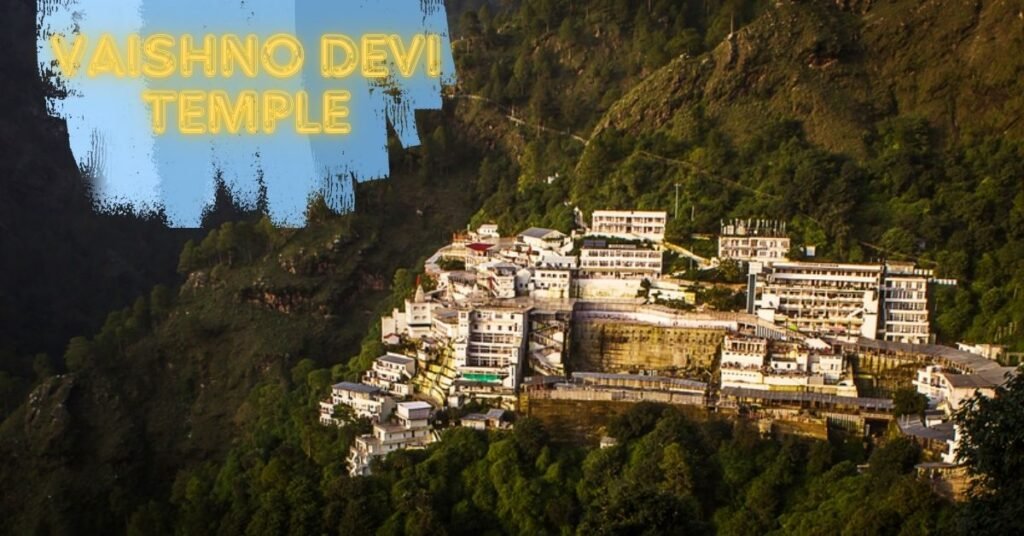
The Vaishno Devi Temple is one of the most revered pilgrimage destinations in India, drawing millions of devotees every year. Nestled in the Trikuta Mountains of Jammu and Kashmir, this sacred cave shrine has a rich history intertwined with Hindu mythology and centuries-old traditions. This comprehensive article delves deeply into the temple’s history, its religious significance, and practical details including the distance from Katra—the base camp for the pilgrimage—to the Bhairo Baba shrine, a significant stop on the trek to Vaishno Devi.
Ancient Origins and Mythology of Vaishno Devi
According to Hindu mythology, Vaishno Devi is a manifestation of the divine feminine energy, representing the combined powers of the goddesses Saraswati (knowledge), Lakshmi (wealth), and Kali (power). It is believed that Lord Rama asked Vaishnavi, the incarnate goddess, to take abode in the Holy Cave in the Trikuta Hills to bless humanity until his return as Kalki, the future avatar.
The temple and its site are associated with numerous legends, including that of Pandit Shridhar, a devotee who rediscovered the cave about 700 years ago after divine visions. Another key legend involves Bhairon Nath, a tantric who pursued Vaishno Devi and was beheaded by her; his shrine at Bhairo Baba is a vital part of the pilgrimage.
Historical Discovery and Temple Evolution
While the cave temple’s exact origin date is unknown, geological studies suggest it is hundreds of thousands of years old. Ancient scriptures like the Mahabharata mention the site, with Arjuna meditating here for blessings before battle. The Pandavas are also credited with building nearby temples and stone structures symbolizing their presence.
The temple was managed historically by the royal Dharmarth Trust established by Maharaja Gulab Singh in the 19th century. Post-independence, administration transferred to the Shri Mata Vaishno Devi Shrine Board in 1986, significantly improving infrastructure and managing millions of annual pilgrims.
Religious Significance and Worship Practices
Vaishno Devi is worshipped as the supreme goddess and is especially revered by devotees seeking blessings for prosperity, health, and spiritual upliftment. The sanctum sanctorum houses three natural rock formations (“Pindis”) symbolizing the goddesses Saraswati, Lakshmi, and Kali.
Pilgrims undertake a strenuous trek to the 14-kilometer distant cave shrine, sometimes stopping to worship at temples like Bhairo Baba, who is believed to guard the goddess’s domain. Rituals include prayers, aarti, chanting, and offerings, reflecting the temple’s deep spiritual heritage.
Geographic Context: Katra – The Pilgrimage Gateway
Katra is the town located at the foothills of the Trikuta Mountains and serves as the primary starting point for pilgrims en route to Vaishno Devi. It offers facilities like accommodations, eateries, and transport options to support the heavy influx of devotees.
From Katra, the journey to Vaishno Devi involves an uphill trek, approx. 14 kilometers, traversing forests, streams, and spiritual stops.
Distance and Route from Katra to Vaishno Devi Temple
The distance between Katra base camp and the Vaishno Devi cave temple is approximately 14 kilometers by foot. The route is well-marked and equipped with resting points, medical aid, and refreshment stalls. For those unable to trek entirely, pony rides, battery-operated vehicles, and helicopter services are available up to certain points.
The elevation gain from Katra to the cave is around 1,200 meters, making it a moderately challenging journey, usually completed in 5-7 hours by average pilgrims.
Distance from Vaishno Devi to Bhairo Baba Shrine
After darshan (holy viewing) of Mata Vaishno Devi in the cave, devotees descend to the Bhairo Baba shrine—the last significant religious stop on the pilgrimage. The distance from the main Vaishno Devi cave to the Bhairo Baba temple is approximately 5 kilometers.
Bhairo Baba’s shrine is believed to complete the pilgrimage, as per the legend that devotees must also seek his blessings for the journey to be considered complete.
Pilgrimage Experience and Facilities
Pilgrimage to Vaishno Devi is a spiritually transformative experience, supported by extensive visitor facilities:
- Accommodation: Guesthouses, dharamshalas, and hotels service Katra and stops along the route.
- Medical Aid: Multiple clinics and emergency response teams are present on the trek.
- Food and Refreshments: Numerous vegetarian eateries and stalls dispense prasad (holy food) and refreshments.
- Safety Measures: Security, clean drinking water, and toilet facilities are adequately available.
Pilgrims are advised to prepare physically and mentally, carry minimum luggage, and respect the natural and sacred environment during the journey.
Cultural Impact and Spiritual Legacy
Beyond its religious significance, Vaishno Devi has profoundly influenced the culture of Jammu and Kashmir, fostering local arts, festivals, and traditions. The temple’s economic importance also uplifts the surrounding communities, fueling tourism and related services.
The dense faith in Vaishno Devi symbolizes the enduring power of spirituality and divine devotion in Hinduism, while the pilgrimage itself remains one of the most visited and organized in India.
Historical Timeline of Vaishno Devi Temple
| Period | Event |
|---|---|
| Ancient Times | Mahabharata references; Pandavas reputedly build temples |
| 700 Years Ago | Rediscovery by Pandit Shridhar |
| 19th Century | Managed under Maharaja Gulab Singh’s Dharmarth Trust |
| 1986 | Shrine Board formed, modern infrastructure established |
| Present | Millions visit annually; pilgrimage facilitated and secured |
Distance Overview for Pilgrimage
| Route | Distance (Kilometers) | Approximate Time (Hours) | Mode Available |
|---|---|---|---|
| Katra to Vaishno Devi Temple | 14 | 5-7 | Walk, pony, vehicles, helicopter |
| Vaishno Devi Temple to Bhairo Baba | 5 | 1-2 | Walk |
| Total Round Trip Distance | 38 (approximate) | 10-12 | Combination of above |
Pilgrimage Facilities Summary
| Facility | Description | Location |
|---|---|---|
| Accommodation | Hotels, guesthouses, dharamshalas in Katra and en route | Katra, various stops |
| Medical Aid | Clinics and emergency response units | Multiple points on the trek |
| Food Services | Vegetarian food stalls, prasad distribution | Along the route, Katra |
| Transportation | Pony rides, battery vehicles, helicopter services | Partial segments |
| Safety | Security personnel, clean water, sanitation facilities | Throughout pilgrimage route |
Conclusion
The Vaishno Devi Temple stands as a timeless beacon of faith and devotion, offering a spiritual sanctuary in India’s northern mountains. Its history, deeply rooted in mythology and rediscovery stories, nurtures an experience balancing physical endurance and divine grace. The trek from Katra, covering about 14 kilometers, culminates in the holy darshan within the cave, with the journey completing at Bhairo Baba’s shrine, approximately 5 kilometers from the cave.
This article provides a detailed, user-friendly guide to understanding the temple’s significance along with practical insights, facilitating better pilgrimage planning and appreciation of one of India’s most sacred spiritual destinations.
Follow Us Now : Facebook, Instagram
You May Also Like : Taj Mahal Tour by Gatimaan Express, Best travel Agency in Agra, Taj Mahal Sunrise Tour from Delhi by Car


